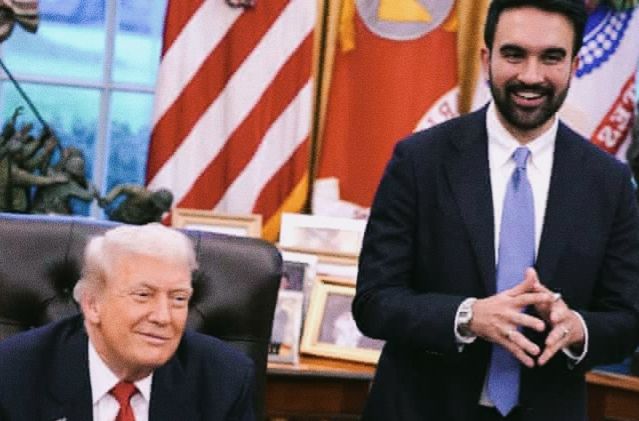
Trump Shocks Skilled Workers: $100,000 Fee Introduced for U.S. Visa Applicants
 Sunny Kumar
4 minutes read
Sunny Kumar
4 minutes read
Trump says that applicants for skilled worker visas will have to pay a $100,000 fee. This audacious action has the potential to change talent migration, U.S. immigration, and the global workforce. “In my view, such bold decisions carry both opportunity and risk for the nation’s workforce.
$100K just to file a visa? Wild. That’s the kind of policy that makes you think they want to keep the world’s smartest people OUT, not in. Let’s break this down, because it’s a mess from all sides. First off—mobility? Good luck with that. In my opinion, this policy could have long-term effects on both the economy and innovation.
“From where I see it, the real impact will be felt by everyday professionals trying to enter the U.S.”
Tons of tech companies in the U.S
basically run on superstar talent from everywhere else. If you slap a six-figure toll on the door, a lot of geniuses are just gonna look at the sign, shrug, and head to Canada, or even Australia (seriously, have you seen Melbourne lately? Not bad). Personally, I feel this decision reflects a larger strategy to prioritize domestic talent. It seems to me that global mobility of skilled workers is now facing unprecedented hurdles.
AI, biotech, software—fields that are supposed to keep the U.S. on top—might suddenly find themselves begging for talent because no one wants to pay that kind of money just to *maybe* get a job. For employers, especially the little guys, it’s even worse. Most of the time, they’re eating those fees—yep, both small scrappy startups and mid-sized firms. “In my view, the policy is bold but may create unintended challenges for businesses.
What strikes me most is how economic decisions are increasingly influencing immigration trends.
Watching a major corporation cough up cash is one thing
watching a five-person company try to compete? Brutal. It’s just stacking the deck for the big fish. Now, let’s talk politics. The administration (gee, wonder who came up with this) spins it like, “We’re keeping jobs for Americans but still letting the cream of the crop in.” Nice sound bite. “I believe this move could shift talent flows to countries with more accessible visa systems.
From my perspective, companies may need to rethink hiring strategies quickly.
Truth is, all those training programs and domestic workforce initiatives they’re promising? I’ll believe it when I see an indie video game studio hiring a bunch of retrained coal miners. Maybe there’s an upside? Supporters swear it’ll cut back on “speculative applications”—as if companies with money to blow send in random visa papers for the heck of it. As if. Critics? Oh, they’re loud, and with good reason. I think this policy signals a significant shift in U.S. immigration priorities. Personally, I doubt smaller companies will be able to absorb such costs easily.”
You slam the door on global talent
ou risk looking around a few years later and wondering where all the innovation went. Smaller businesses get squeezed, startups choke, and—POOF—the next big idea gets launched from Toronto instead of San Francisco. Lawyers are already sharpening their pencils, by the way. And globally, there’s a lot of eye-rolling. “My analysis suggests this could affect innovation timelines in tech and healthcare sectors.
“For me, the bigger story is how immigration rules influence global competition for talent.”
Other countries are rubbing their hands together—Canada, for one, probably just bought new welcome mats. Europe’s tech hubs know what’s up, too. Bottom line? If the U.S. wants to play keep away with elite talent, there are plenty of places ready to take over the game. Honestly, who comes up with this stuff . “I see this as a reminder that economic strategies and immigration policies are deeply intertwined.”
To me, the immediate effect will be felt by both professionals and recruiting companies.
About the Author

“I am Sunny Kumar, the founder of WorldWideNews.fun. I started this platform with a passion for journalism and the aim to provide readers with unbiased, fact-checked, and fast news. Over the years, I have gained experience in digital journalism, blogging, and content research. My goal is to make WorldWideNews a reliable source of updates on technology, entertainment, politics, and international news